

Why optimize your training time?
For some, the shooting range may be a simple pleasure (like going cycling or hiking), but for others it is a training exercise, conditioning their usefulness in their professional activity.
With family life, work, etc., it can be difficult to spend several hours a week at the booth.
Here are some tips to give your practice a boost:
1. Prepare before arriving at the stand
The best way to be effective on the shooting range is primarily related to preparing all your equipment at home.
Loading ammunition, changing the batteries in optics/lamps, degreasing the barrel…
Furthermore, these actions require little concentration, so you can, for example, listen to podcasts or videos to keep progressing!
For English speakers, there are a multitude of podcasts on many aspects of gun combat: technique, tactics, mental preparation...

2. Have a program / a session plan.
Nothing is more frustrating than returning home after a training session with the feeling that you only shot to make noise, without having any corrections to apply in the next session.
As in sports, the best way to improve is to have a plan.
Knowing how much ammunition you will need, what exercises or drills you will be able to practice, what accessories to take (cones, elastic bands…) but also what targets you will use.

No credible progress without careful planning.
3. Vary your target audience!
The targets offered at the shooting range are often the same.
It is easy to obtain different ones and print them.
We offer them on our website, and we will soon be sharing our "Classic" pack.
The debate about humanoid targets represents only a small part of what you need to progress.
Download your own, print them, photocopy them by the dozen.
As for us, we use reprographic services to benefit from rates that also allow us to print in A4, A3…
For just a few euros, you can get hundreds of different targets, enough for months of training.

These targets are freely and openly accessible.
4. Be demanding in your standards!
Practicing rapid shots to the chest area when you're 3 or 5 meters from the target doesn't allow for precise correction. Use small targets with different colors and shapes to train your cognitive process as much as your index finger. We regularly use CDT targets, which are designed with a proven cognitive purpose.

Aim small, miss small.
5. Keep a "Range Book"
If you don't already have a "training log", go buy one.
Without writing a novel after each session, it's important to note your physical condition, mental state (relaxed, stressed, etc.), the number of rounds fired, the drills performed during the session, etc.
This can serve as a training plan, by writing out the upcoming session in advance.
Come and record your results on "benchmarks", those drills known to all such as the 22422, El Presidente, 1-5 VTAC Drill, 9 holes Drill, Carbine Navy Standard Test…
This will allow you to see the progress taking place over time (very important for INTRINSIC motivation), and if the progress is not measurable, it will allow you to orient your training program differently (always bring out the positive, in all cases).

6. Debrief, and prepare for the next session.
For a session to be productive, it must provide constructive criticism for improvement.
Even a very positive session, in order to help you progress further, should give you the opportunity to “self-critique”.
This also allows you to target your weaknesses:
A weakness in grip ?
I can work on it isometrically using a tennis ball or a “Grip handle”.
No credible progress without careful planning.
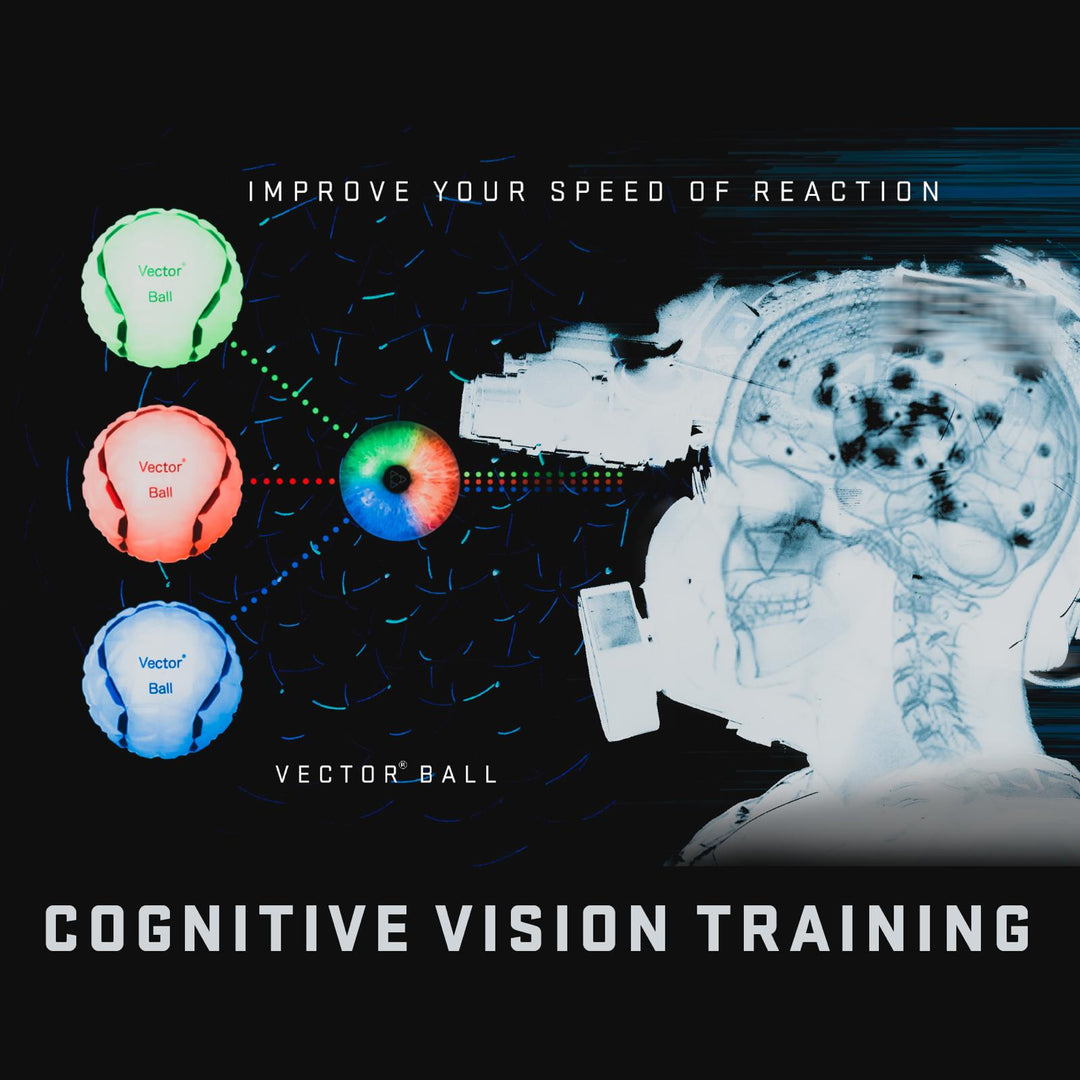
I come to work on my visual acuity by working with a pen in front of me, for example, by switching my eye focus on the pen and different targets placed in the background.
The eye functions like a camera, and the "sharpness" of an object in front of us (or a handlebar) for example, can be achieved more or less quickly, depending on training, stress level, or fatigue.
We speak of visual fatigue when we have difficulty seeing clearly what surrounds us, which can sometimes lead to headaches.

The important thing is therefore to find a routine that is simple to implement, but above all, simple to maintain over time.
Small habits make a difference in the long term, and for example, by spending 3 five-minute sessions each day working on your gestures, your grip…
They will sometimes be as productive as some training sessions.
What should be done with this time saved ?
Combat training or armed self-defense training is not limited to firing 50 rounds per week.
The time you save on your sessions can be used to sharpen your physical ability (which is your first weapon…), educate yourself through podcasts or instructional videos, or even plan your next 6 months of training.


Leave a comment